Articles
The Teaching AI Ethics series explores nine areas of ethical concern in artificial intelligence, with practical teaching resources for educators.
2025–26 Updates

Teaching AI Ethics 2026: Emotions and Social Chatbots
In 2023, the concern was AI systems that read our emotions. In 2026, the greater danger is AI systems designed to manipulate them. Social chatbots foster emotional dependency, with devastating consequences for young people.

Teaching AI Ethics 2026: Human Labour
The human cost of AI has become one of the most pressing ethical issues. Major lawsuits, union formation, and investigative journalism have brought the exploitation of workers into public view.

Teaching AI Ethics: Data 2025
Data has become the de-facto currency of the digital age. Every interaction with technology generates data that companies collect, analyse, and monetise — and the scale has exploded with GenAI.

Teaching AI Ethics: Privacy 2025
As generative AI becomes embedded in our daily digital lives, the privacy implications have grown more complex and immediate. The illusion of privacy in AI chatbots masks a troubling reality.

Teaching AI Ethics: Copyright 2025
We're no longer debating hypotheticals. We're watching billion-dollar lawsuits conclude, governments choose sides, and the creative industries fight back against Big Tech.

Teaching AI Ethics 2025: Bias
This instalment revisits the theme of bias in generative AI, explaining how data bias, model bias, and human bias interact to produce skewed or discriminatory outputs.
Teaching AI Ethics: Introduction
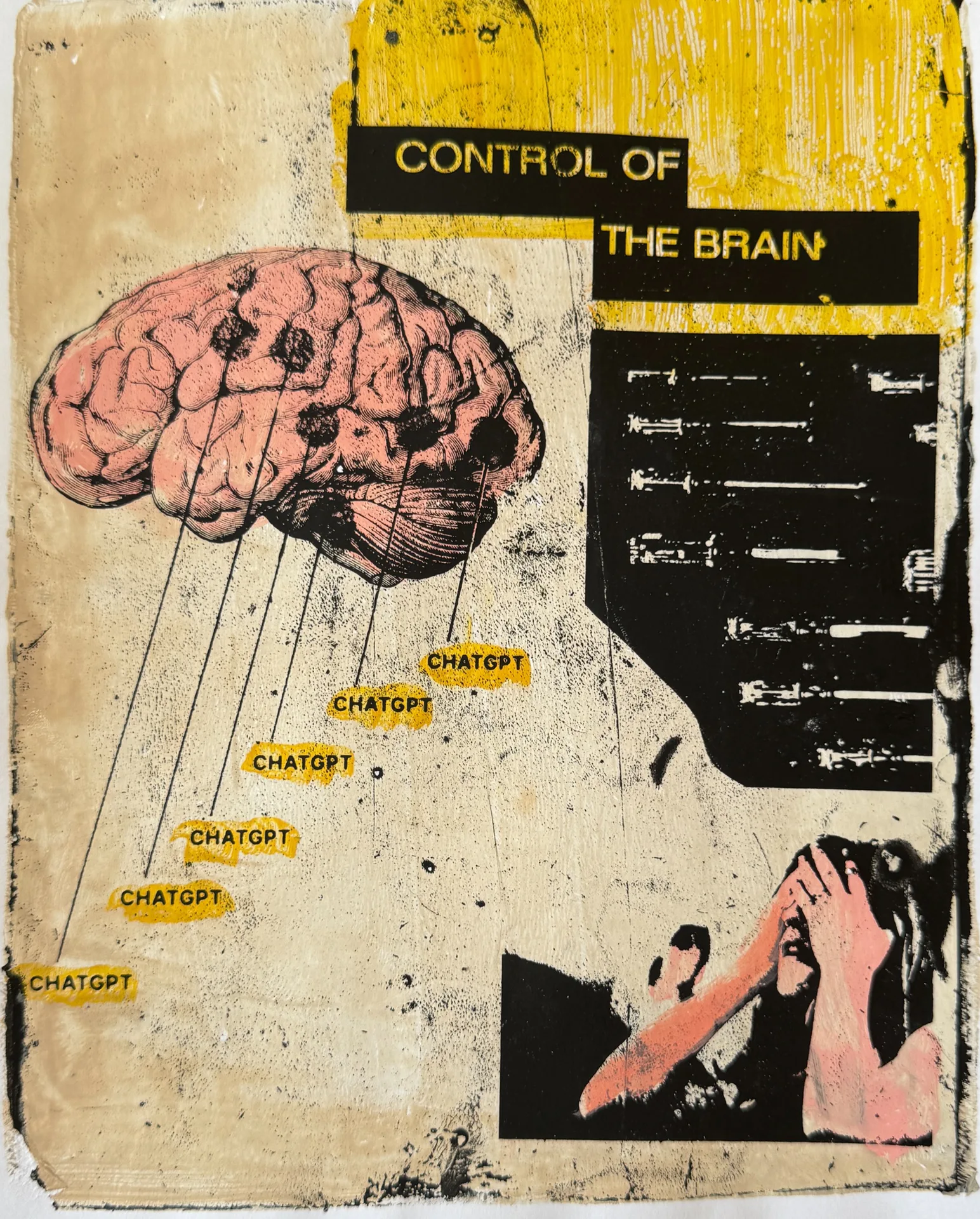
Why the Teaching AI Ethics series needs a 2025 overhaul — a recap of the original nine issues and an invitation to help deepen the conversation.
Teaching AI Ethics 2025: Truth
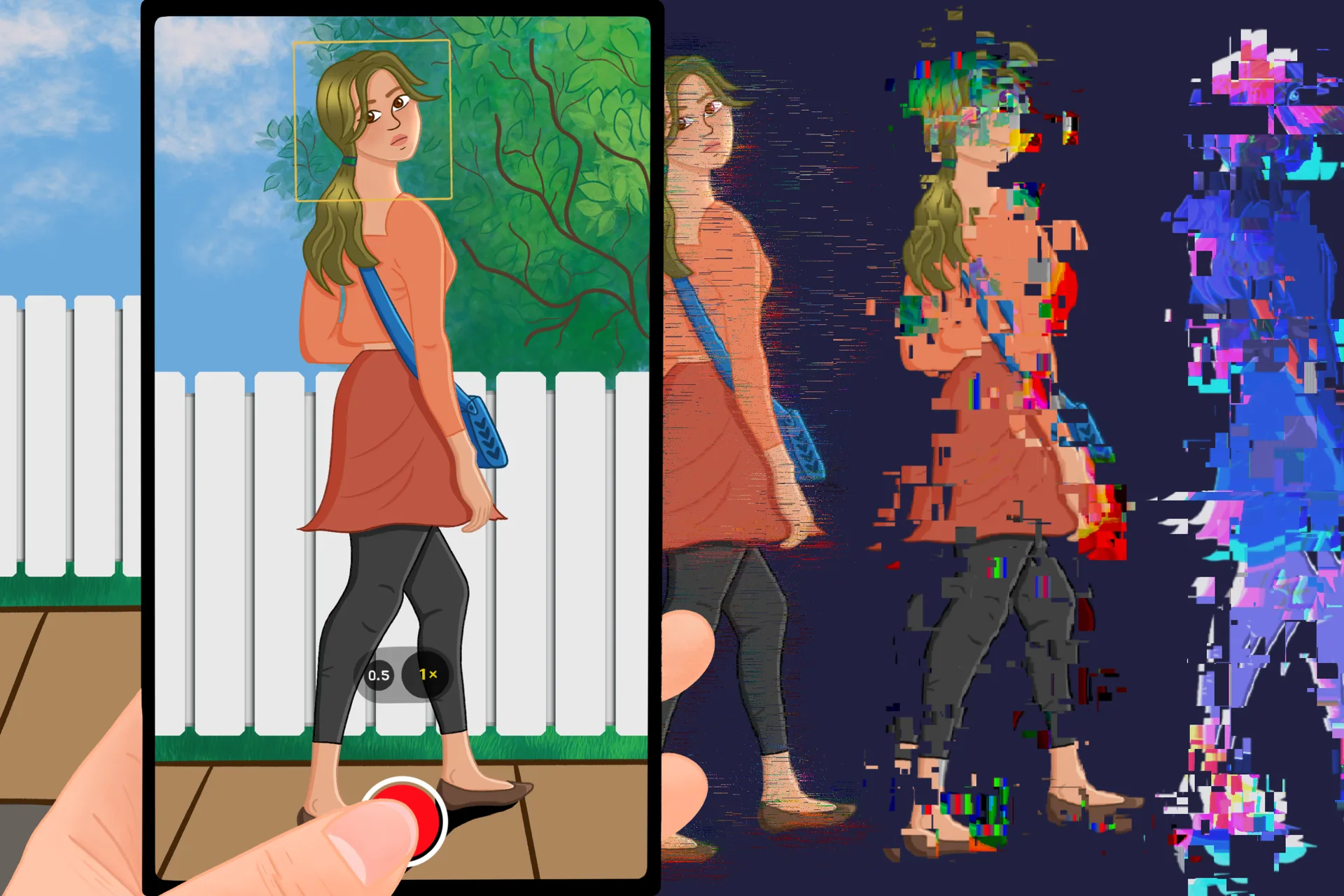
Truth and misinformation in the age of generative AI. From hallucinations to deepfakes, how large language models are inherently incapable of truth and what that means for education.

Teaching AI Ethics 2025: Environment
The environmental concerns of AI are one of the most important ethical issues. AI as an extractive technology akin to the mining industry — and why the conversation is more nuanced than headlines suggest.
2023 Original Series
Teaching AI Ethics: Power
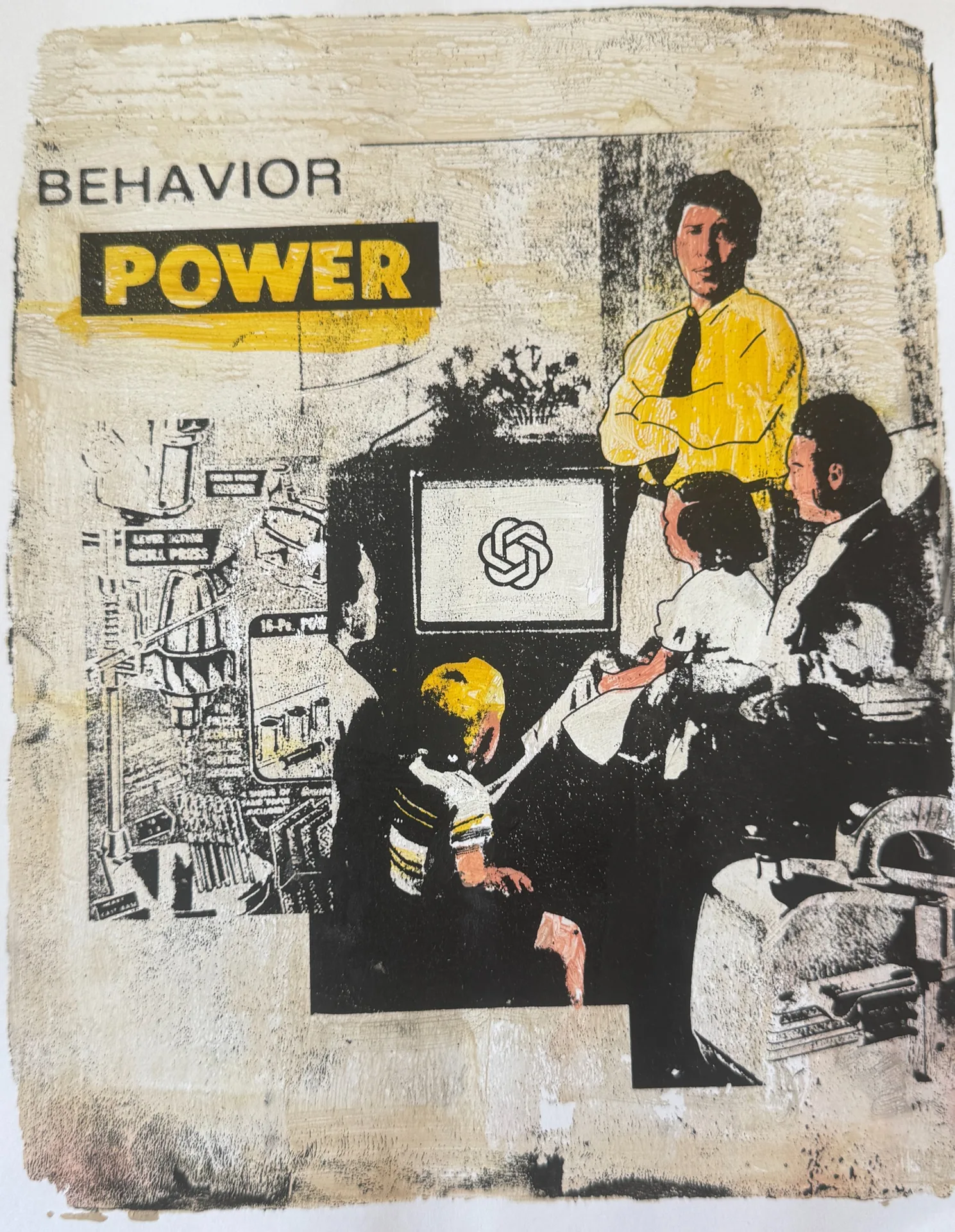
The final ethical concern brings us full circle back to bias, exploring how all the ethical issues in the series coalesce to reinforce and perpetuate societal power structures through AI.
Teaching AI Ethics: Human Labour
Hidden beneath the rhetoric of the jobs AI will destroy is an unseen narrative of the jobs it currently requires to function. Ghost work powers the AI industry at the cost of exploited workers.

Teaching AI Ethics: Affect Recognition
Affect recognition claims to interpret human emotions by analysing facial expressions, body language, and speech patterns. The reliability and ethical implications make it one of the worst potential applications of AI in education.
Teaching AI Ethics: Datafication
"Data is the new oil." Datafication describes how all aspects of our lives are being turned into data points — and it raises significant ethical concerns about privacy, surveillance, and misuse.
Teaching AI Ethics: Truth and Academic Integrity
AI hallucinations pose a genuine risk of causing harm, while the ease of generating human-like content raises profound questions about academic integrity and the spread of misinformation.
Teaching AI Ethics: Environment
The environmental concerns of artificial intelligence are less reported on than algorithmic bias, but just as important. AI is an extractive technology with hidden costs in energy, mining, and carbon emissions.
Teaching AI Ethics: Bias and Discrimination
Algorithmic bias occurs when the data used to train AI systems reflects the biases and prejudices of society, resulting in discriminatory outputs. Large Language Models like GPT are almost unavoidably biased.
Teaching AI Ethics: Privacy
AI systems are often "black boxes", making it hard to understand how they arrive at their decisions. The use of personal data in AI training data and the potential for data breaches pose significant privacy risks.
Teaching AI Ethics: Copyright
Copyright is a hugely contentious aspect of the current wave of AI, particularly in image generation. Questions about ownership, intellectual property, and artist rights remain unresolved.

Teaching AI Ethics
The original overview of nine ethical considerations for AI in education, from beginner to advanced levels. Bias, environment, truth, copyright, privacy, datafication, affect recognition, human labour, and power.