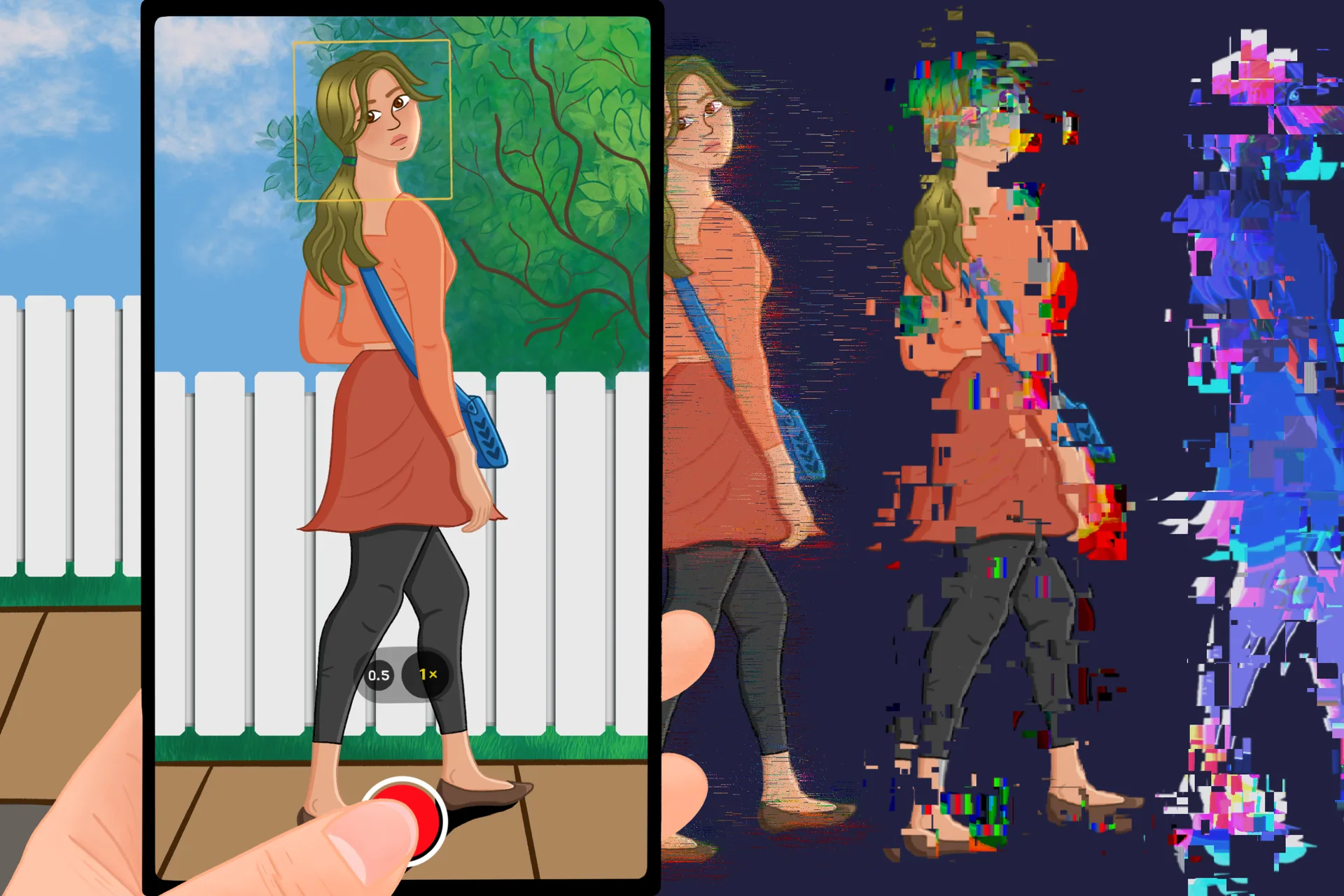
The concept of "truth" is a significant ethical issue related to AI systems like ChatGPT. Since its launch, there have been two main concerns: first, the likelihood of AI models generating false or fabricated content, and second, the potential for individuals to exploit them for dishonest purposes.
Synthetic Mirages
"Hallucinating" is a result of many different factors:
- Training data limitations: Models are trained on datasets which may include inaccuracies, biases, or outdated information.
- Inability to verify facts: AI language models lack the ability to fact-check or verify information.
- Ambiguity in prompts: Vague prompts may lead to inaccurate responses.
- Over-optimising for fluency: Models may prioritise sounding plausible over being accurate.
- Lack of a ground truth: AI models don't possess a deep, grounded understanding of the world.
AI hallucinations pose a genuine risk of causing harm. The convincingly fabricated information produced by these models can infiltrate media, academic research, and educational materials.
Academic Integrity in the Age of AI
AI has become a potential threat to academic integrity, as tools like ChatGPT make it easier for students to access and use generated content for cheating purposes. The responsibility falls on educators, institutions, and AI developers to create a culture that emphasises the importance of truth and the ethical use of technology.
AI and Truth
Misinformation, disinformation, and mal-information are false or misleading pieces of information that spread through social media, news outlets, or word of mouth. AI has become an accomplice in the viral spread of these types of information. Deepfakes can deceive users with startling accuracy, and AI-powered algorithms create "filter bubbles" that amplify false narratives.
Case Study: Language Models and the Spread of Fake News
Research conducted by Georgetown University, OpenAI, and Stanford Internet Observatory highlights the dangers of large language models and the potential for them to manipulate public viewpoints. The researchers used the ABC model of disinformation: Actor (who creates it), Behaviour (strategies to spread it), and Content (the false information itself).
LLMs can overflow the internet with false information at minimal cost, making manipulation harder to detect. The researchers recommend careful attention to the type and source of news.
Teaching AI Ethics
- History: How might the use of AI impact historical research and the spread of fake historical information?
- English: What role does AI play in the creation and dissemination of fake news?
- Mathematics: How can AI be used to detect errors in data analysis, and what ethical considerations apply?
- Computer Science: How can AI be used to detect plagiarism, and how can we design ethical AI systems?
- Science: How can AI detect and prevent scientific misconduct?
- Media Studies: How can we teach students to critically evaluate and fact-check information?
- Visual Arts: Is AI art actually art, or is it plagiarism?