Topics
Explore the ethical dimensions of artificial intelligence through nine key areas, from beginner concepts to advanced critical analysis.
Beginner

Bias and Discrimination
How data bias, model bias, and human bias interact to produce skewed or discriminatory AI outputs, from predictive policing to image generation.

Environment
The environmental costs of AI as an extractive technology: energy consumption, carbon emissions, mining, and the hidden costs of the cloud.

Truth and Academic Integrity
AI hallucinations, misinformation, deepfakes, and the challenge of maintaining truth and academic integrity in an age of synthetic media.
Intermediate

Copyright
Complex legal and ethical questions about AI training data, creative ownership, and intellectual property across visual art, music, and text.

Privacy
Data collection, surveillance, the illusion of privacy in AI chatbots, and the erosion of personal privacy through ambient AI and cross-border data flows.

Data
How all aspects of our lives are being turned into data points to fuel AI, from educational apps to ChatGPT conversations, and the scale of data collection in the GenAI era.
Advanced

Emotions and Social Chatbots
From the contested science of AI affect recognition to the deliberate design of AI systems that manipulate human emotions: social chatbots, emotional dependency, and the risks to young people.

Human Labour
The hidden workforce behind AI: ghost work, content moderation trauma, data labelling exploitation, and the growing worker organising movement.
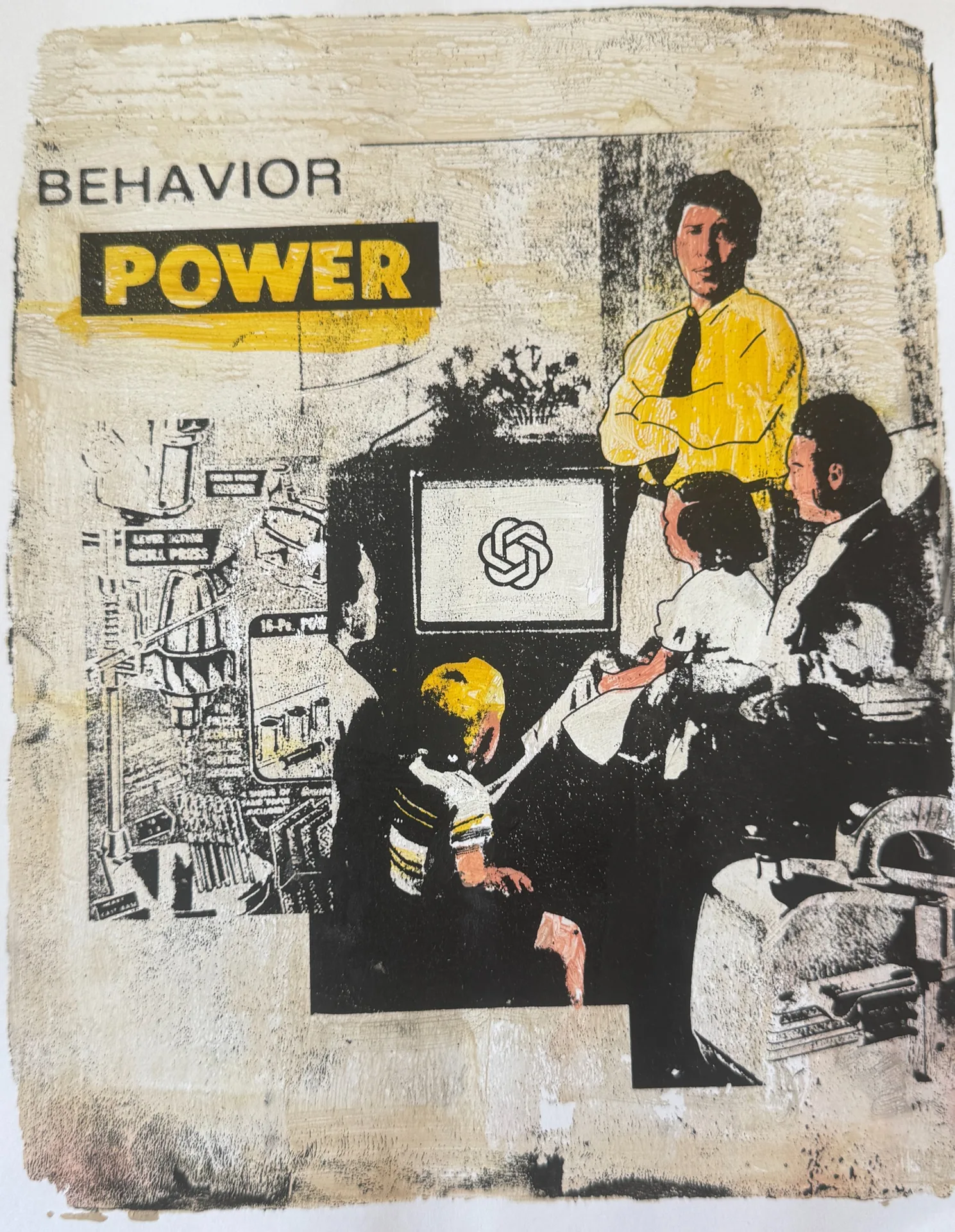
Power and Hegemony
How AI reinforces existing power structures, concentrates wealth, and perpetuates hegemonic worldviews through biased data and corporate control.