Truth and Academic Integrity
AI hallucinations, misinformation, deepfakes, and the challenge of maintaining truth and academic integrity in an age of synthetic media.
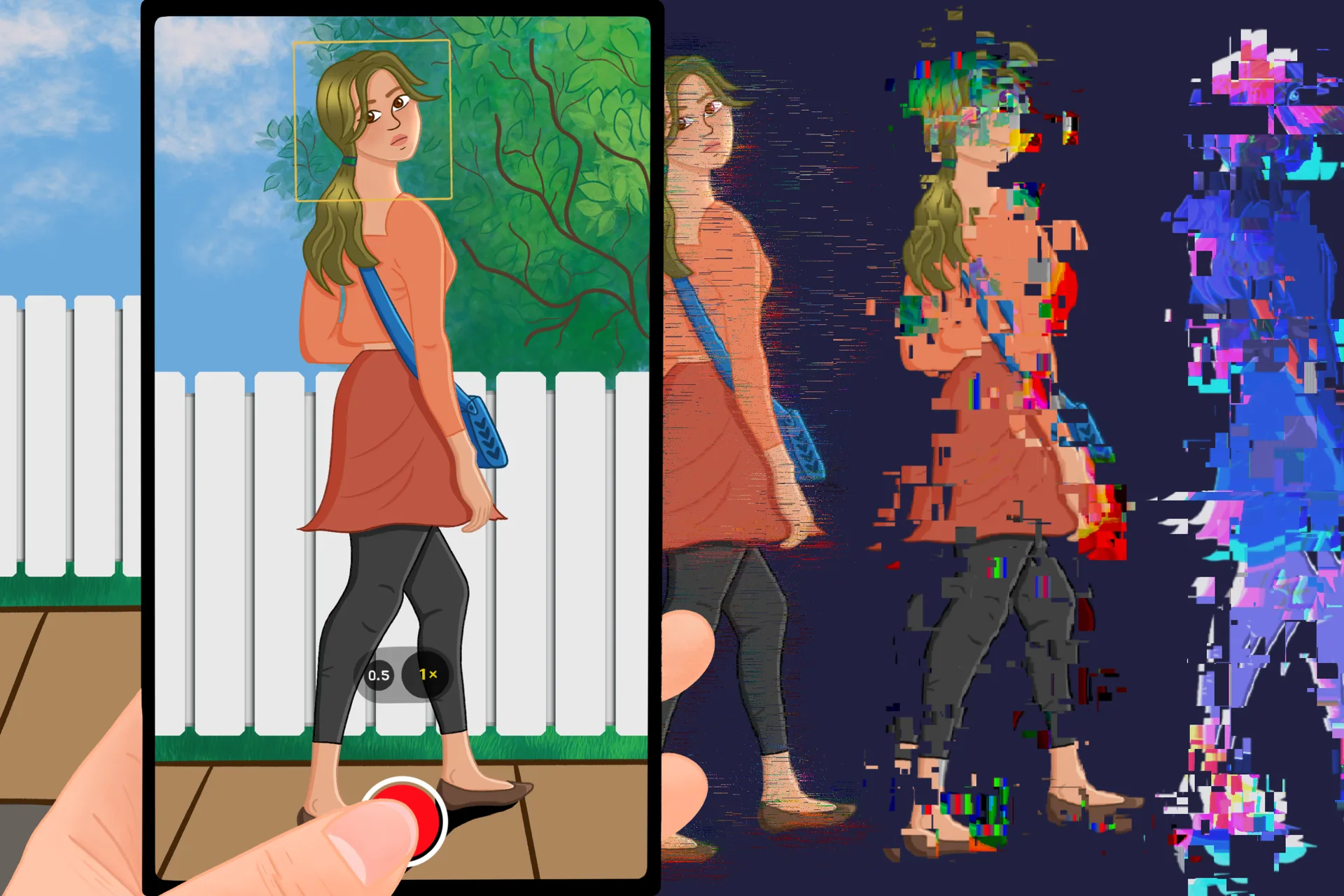
Image: Reihaneh Golpayegani / Better Images of AI / Telling Tales / CC-BY 4.0
Articles
Teaching AI Ethics: Truth and Academic Integrity
AI hallucinations pose a genuine risk of causing harm, while the ease of generating human-like content raises profound questions about academic integrity and the spread of misinformation.
Teaching AI Ethics 2025: Truth
Truth and misinformation in the age of generative AI. From hallucinations to deepfakes, how large language models are inherently incapable of truth and what that means for education.
Case Studies
Language Models and the Spread of Fake News
Research by Georgetown University, OpenAI, and Stanford Internet Observatory demonstrated how large language models can flood the internet with false information at minimal cost, using the ABC model of disinformation.
The MAHA Report: AI Hallucinations in Government
The US government's "Make America Healthy Again" report was found to contain ChatGPT-generated content with telltale markup, inaccurate citations, and invented studies underpinning the report's conclusions.
Teaching Ideas
How might the use of AI impact historical research and the spread of fake historical information?
What role does AI play in the creation and dissemination of fake news?
How can AI be used to detect errors in data analysis, and what ethical considerations apply?
How can AI be used to detect plagiarism, and how can we design ethical AI systems?
How can AI detect and prevent scientific misconduct?
How can we teach students to critically evaluate and fact-check information?
Is AI art actually art, or is it plagiarism?
How do algorithms prioritise certain truths over others? Investigate how ranking systems shape information access.
Can we train AI to detect deep fakes—or is it part of the problem? Examine the arms race between generation and detection.
What ethical responsibilities do developers have when designing tools that could mislead? Consider the duty of care in software engineering.
Can AI-generated arguments be trusted? Evaluate the reliability of AI-produced reasoning and evidence.
How does AI mimic authorial voice to create a sense of truth? Analyse how stylistic imitation affects credibility.
What rhetorical strategies make false claims produced by AI seem convincing? Deconstruct persuasive techniques in AI-generated misinformation.
What happens when AI rewrites history? Explore the dangers of AI-generated historical revisionism.
How can deep fakes influence public trust in political institutions? Analyse the civic consequences of synthetic media.
How trustworthy are AI-generated translations of culturally significant texts? Evaluate accuracy and cultural sensitivity in machine translation.
What happens when nuance and idiom are lost in machine translation? Explore how automated translation flattens cultural meaning.
Can we trust AI to represent diverse voices and perspectives accurately? Examine bias in multilingual AI systems.
How can probabilistic outputs from AI be misread as definitive claims? Examine how statistical uncertainty is lost in translation.
How can we tell scientific fact from AI-generated pseudoscience? Develop critical literacy skills for evaluating AI-produced scientific claims.
How do hallucinations in large language models affect public understanding of science? Examine the spread of AI-generated scientific misinformation.
How does AI blur the line between real and fake? Examine how generative art challenges notions of authenticity.
How can we spot manipulated or generated media in art and performance? Develop visual literacy for the age of synthetic media.